Keeping your home free from mold, mildew, and persistent musty odors is one of the toughest maintenance challenges for any homeowner. Most people instinctively reach for traditional chlorine bleach to fight these issues, but what few realize is that bleach merely lightens the surface stain without fully destroying the deep fungal root system or preventing its return weeks later.
In recent years, quaternary ammonium compounds (commonly known as ” quats”) have established themselves as the premier professional-grade disinfection technology on the market. Originally reserved for hospital sanitation and food processing plants, these next-generation disinfectants have crossed over into residential maintenance due to their unmatched ability to neutralize dangerous microorganisms.
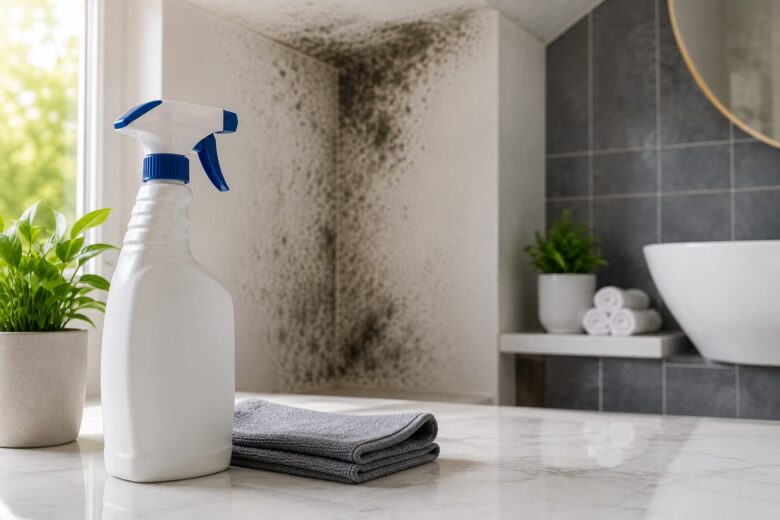
If you are dealing with dark spots on your ceiling, wall mildew, or lingering musty smells in upholstery and fabrics, understanding the role of quaternary ammonium in mold removal is the ultimate key to eradicating contamination permanently without damaging your home’s surfaces.
Disclaimer: As an Amazon Associate, FixByMyself earns from qualifying purchases made through links in this post at no additional cost to you.
How Quaternary Ammonium Compounds Work
Unlike standard household cleaners, quaternary ammonium compounds operate through a powerful physical-chemical destruction mechanism. They are cationic surfactant agents, meaning their molecular structure carries a positive electrical charge.
Because the cell membranes of mold, fungi, bacteria, and viruses inherently carry a negative charge, the quaternary ammonium molecule is pulled toward the fungal cell wall like a magnet. Upon contact, the compound disrupts the outer lipid membrane, causing the fungal cell to rupture and die instantly.
Beyond immediate eradication, this class of disinfectants offers a major technical advantage: residual protection. As it dries, the solution leaves behind an invisible, microscopic barrier on the treated surface, preventing fresh airborne mold spores from landing and taking root for extended periods.
Key Advantages Over Traditional Bleach
Using the correct technical formulation for deep cleaning preserves your home’s finishes while safeguarding your family’s health. Here are the main advantages quats hold over standard bleach:
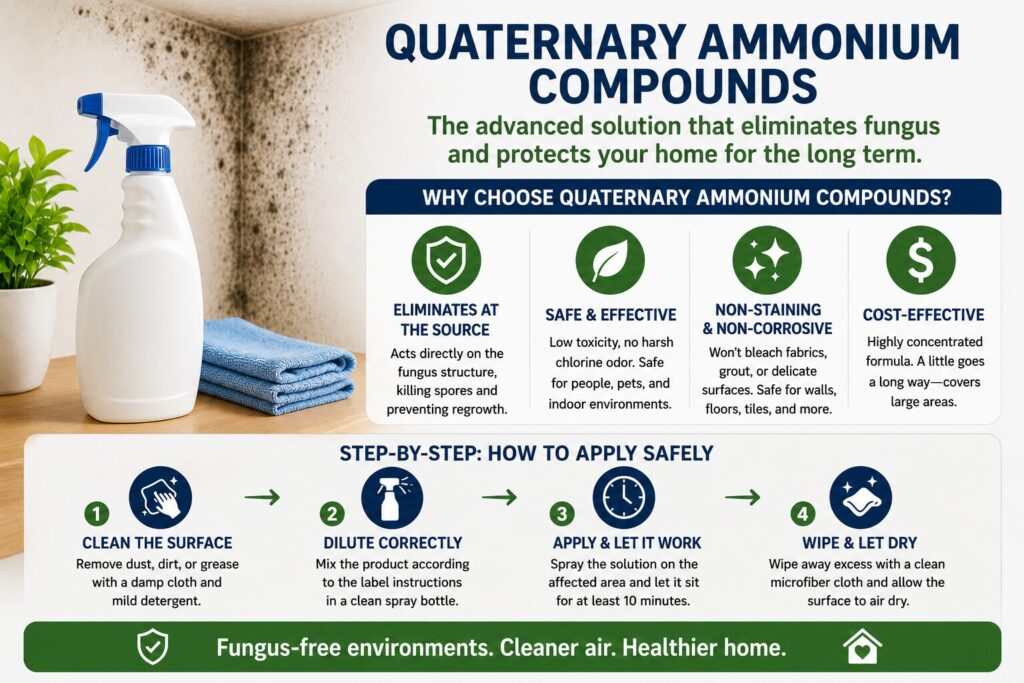
1. Non-Bleaching and Non-Corrosive
Unlike sodium hypochlorite bleach, quaternary ammonium will not strip color from fabrics, carpets, curtains, or colored grout lines. It can be safely applied to delicate textiles, natural stone, and automotive interiors without the risk of permanent chemical staining.
2. Low Toxicity and No Harsh Chemical Fumes
While chlorine fumes can irritate lungs and eyes, modern quaternary ammonium formulations feature extremely low volatility and mild scents, making application significantly safer for allergy sufferers and pets.
3. Highly Concentrated and Cost-Effective
Because quat products are sold as concentrated solutions, a tiny amount mixed with water covers massive areas of drywall, tile, or subflooring, providing substantial long-term savings on maintenance supplies.
🛒 The Must-Have Tool for Professional Home Sanitation
To deploy this professional-grade technology without paying for an outside remediation crew, the key is keeping a 5th-generation quaternary ammonium concentrate on hand for routine maintenance.
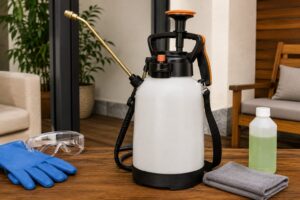
We highly recommend stocking your utility closet with a Commercial-Grade Quaternary Ammonium Cleaner and Disinfectant Concentrate on Amazon. Simply dilute the specified ratio with water in a standard pump sprayer or spray bottle to treat routine surface humidity or tackle heavy mold outbreaks on bathroom drywall.
Keeping a bottle of concentrated quat cleaner is the smartest, most cost-effective way to shield your living spaces from recurrent fungal spores, saving you money on ineffective store-bought sprays.
Safe Application Protocol for Walls and Ceilings
To achieve maximum fungicidal efficiency and ensure the protective residual barrier sets properly, follow this application sequence:
- Surface Prep: Prior to applying the disinfectant, wipe away loose dust and heavy surface grime using a damp microfiber cloth and mild soap.
- Proper Dilution: Mix the quaternary ammonium concentrate with water in a clean spray bottle according to the manufacturer’s label instructions for fungicidal action.
- Application and Dwell Time: Spray the solution generously over the mold-affected area. Allow the product to sit undisturbed for at least 10 minutes (dwell time is critical for breaking the cell membrane).
- Natural Drying: Wipe away excess liquid with a clean microfiber towel and allow the surface to air-dry completely to establish the protective residual layer against fresh spores.
Cleaner Air and Respiratory Health
Eradicating mold goes far beyond cosmetic home improvement. Airborne fungal spores are primary triggers for indoor allergies, asthma attacks, and chronic sinus irritation.
By replacing temporary fixes with quaternary ammonium technology, you break the infestation cycle at its root and ensure cleaner, healthier indoor air quality for your household.
Integrate this advanced sanitizing agent into your home maintenance routine and experience the peace of mind that comes with a truly sanitized, mold-resistant living space.